Key Takeaways:
- Proactive monitoring is vastly more economical than emergency reactive repairs.
- Comprehensive documentation is essential for Food Hygiene Rating and environmental health audits.
- Secure waste storage and door proofing form the primary defensive perimeter.
- Tailor service intervals to operational risk levels.
The Commercial Imperative
For businesses in retail, food preparation, logistics, and office management, a pest infestation can result in immediate stock loss, reputational damage, and potential enforcement action under the Food Safety Act 1990.
Proactive prevention and systematic documentation are far more cost-effective than emergency reactive treatments.
Core Pillars of Commercial Pest Management
An effective commercial program integrates four fundamental disciplines:
1. Routine Scheduled Audits
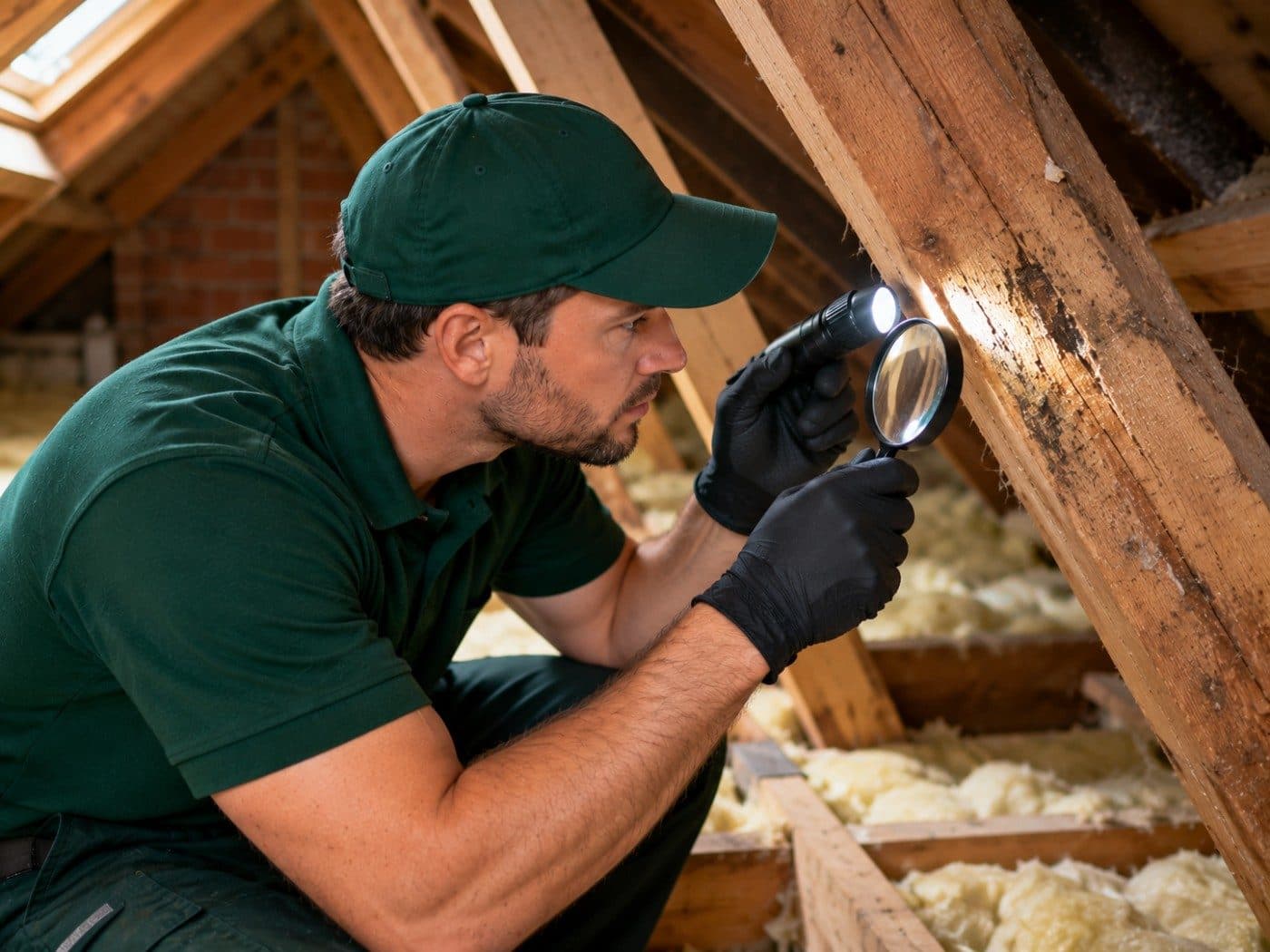
Regular visits by trained technicians to monitor sealed baiting and non-toxic monitoring stations across all interior and perimeter zones.
2. Waste Management & Exterior Hygiene
Enforcing closed lids on commercial bins, regular skip clearance, and keeping external loading areas clear of waste food and packaging debris.
3. Physical Proofing & Environmental Control
Installing heavy-duty brush strips on loading bay doors, fly screens on kitchen windows, and bio-enzymatic drain maintenance.
4. Audit-Ready Documentation
Maintaining a dedicated on-site pest management binder containing technician visit logs, chemical safety data sheets (COSHH), site maps, and corrective action checklists.
Tailored Programs for Diverse Sectors
Whether managing a single boutique shop, a multi-story office building, or a busy restaurant kitchen, service contracts should be tailored to specific operational risks.
All chemical applications in commercial food environments must comply strictly with COSHH regulations and hygiene standards.