Key Takeaways:
- Structural defects causing pest entry are the landlord’s legal responsibility.
- Seal utility penetrations with rodent-resistant mesh during void periods.
- Install stainless steel airbrick grilles to protect subfloors.
- Retain professional treatment reports for due diligence documentation.
Landlord Responsibilities and the Law
Under the Homes (Fitness for Human Habitation) Act 2018, landlords in England and Wales are required to ensure rental properties are fit for habitation throughout the tenancy.
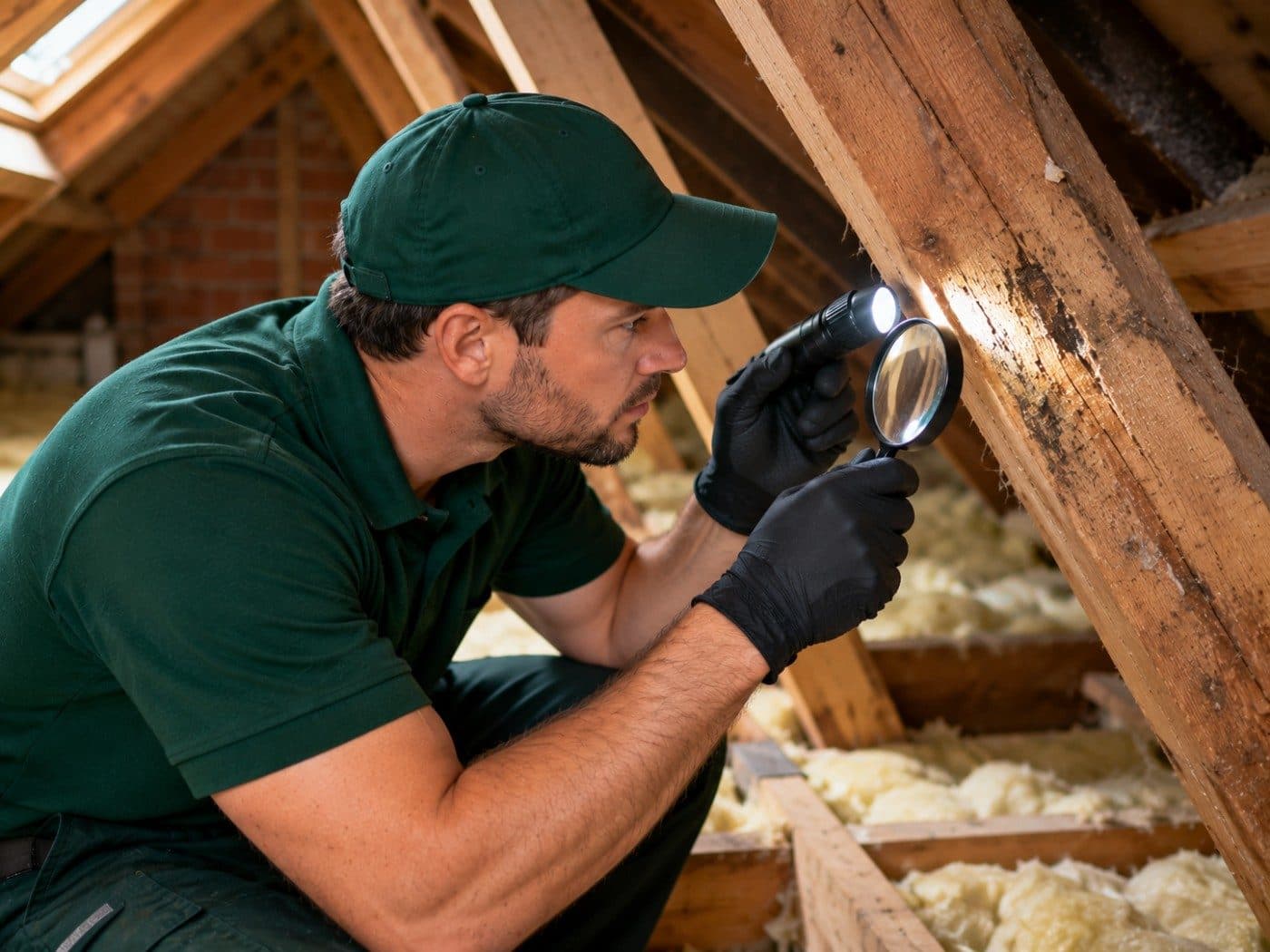
If a pest infestation is caused by structural defects—such as broken airbricks, uncapped drainage pipes, or roof eaves damage—the landlord is typically responsible for remedial proofing and treatment.
Key Preventive Maintenance Checklist
Carry out these simple checks during regular property inspections and void periods between tenancies:
Inspect Pipe Penetrations
Ensure spaces around soil stacks, heating pipes, and waste pipes under kitchen sinks and bathroom panels are tightly sealed with wire mesh and mortar.
Screen External Air Vents
Check that subfloor airbricks are intact and fitted with stainless steel rodent-proof covers that preserve essential ventilation.
Tenancy Handover Protocols
Provide incoming tenants with clear guidance on waste disposal, bin storage, and prompt reporting of any pest sightings or plumbing leaks.
Handling End-of-Tenancy Pest Issues
If tenants kept pets, commissioning a certified end-of-tenancy flea treatment guarantees incoming occupants enter a clean, comfortable home.
Always resolve active rodent problems before carrying out permanent structural proofing to avoid trapping pests within wall cavities.
Related Professional Service
Pest Prevention and Proofing
Physical exclusion, mesh installation, door seals, and structural sealing against rodents and insects.