Comprehensive Insect Control & Moisture Management
Occasional insect invaders—including silverfish (Lepisma saccharina), varied carpet beetles (Anthrenus verbasci), booklice (Psocids), and earwigs—often signal localized moisture or fabric degradation. While not always directly dangerous, they damage books, wallpaper, textiles, and pantry goods.
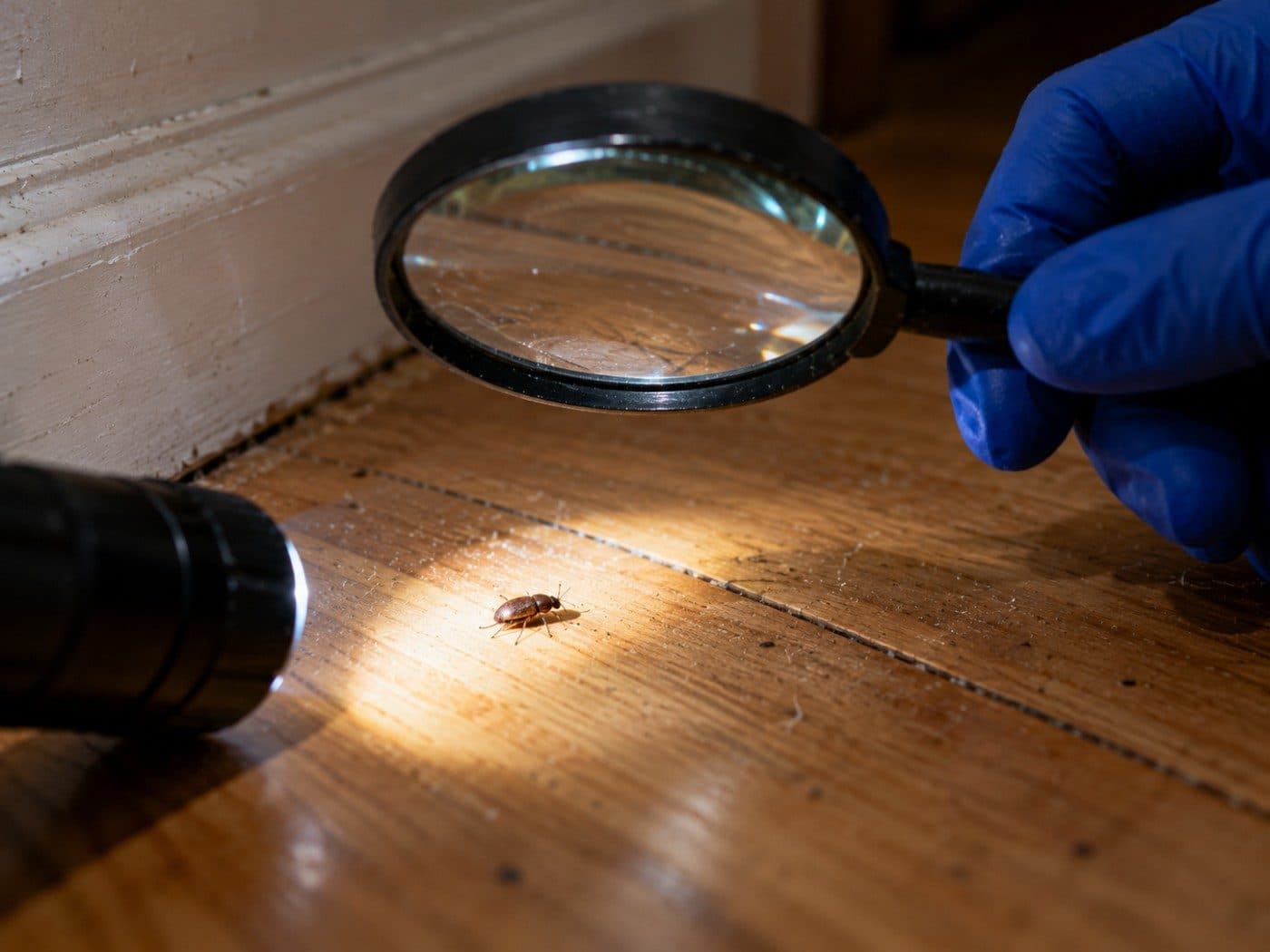
Common Signs of an Infestation
Look for these physical indicators around your property:
- Silvery teardrop-shaped insects darting across bathroom floor tiles when lights are switched on
- Irregular grazing holes in wallpaper, book bindings, and starch-based adhesives
- Small, hairy brown larvae ("woolly bears") crawling along carpet perimeters and skirting boards
- Fine powdery dust around timber items, cardboard boxes, or flour sacks
- Clusters of small brown insects appearing around window sills and damp plaster
Potential Contributing Causes
Environmental factors and structural vulnerabilities that attract this pest:
- Elevated relative humidity (above 70%) and poor ventilation in bathrooms or basements
- Microscopic mould and fungi growing on damp wall surfaces or plasterboard
- Accumulation of lint, pet hair, and dead insects beneath floorboards providing food sources
When Professional Assistance May Be Appropriate
Our Methodical Inspection Approach
We identify the specimen species under magnification, locate moisture hot spots using hygrometric assessment, and trace the underlying nutritional source.
Targeted Treatment Methods
We combine targeted desiccant dusts (such as diatomaceous earth formulations in dry voids), micro-residual crack-and-crevice treatments, and tailored advice on ventilation and dehumidification.
Domestic Considerations
Our technicians explain practical steps to lower household humidity so insects cannot survive long-term after treatment.
Commercial Considerations
For archives, libraries, warehouses, and pharmaceutical cleanrooms, we deliver non-damaging insect monitoring and climate advice.
Prevention and Long-Term Proofing Advice
Treatments are carefully applied to obscure cracks, skirting crevices, and pipe runs, keeping children and family pets completely safe.
General Insect Control FAQs
Silverfish require high humidity (75–95%) and warm temperatures. They feed on microscopic moulds, starch in wallpaper paste, and damp cardboard.
Related Pest Services
Request a Quote for General Insect Control
Submit details regarding your property and observed signs. We confirm service availability within our confirmed UK coverage radius.